Akatori Worlds & Realms
From Firebird Temple training grounds to amber-corrupted industrial districts—how every biome fits together.
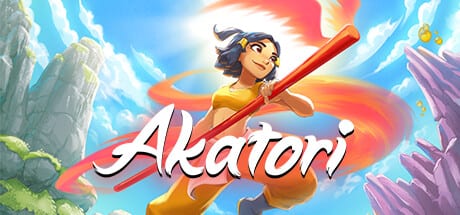
Akatori’s universe is advertised as more than ten distinct biomes spread across eras and cultures, but players experience them as a chain of explorable realms linked by staff traversal and the central hub of Kohakujō. Understanding that structure early saves hours of backtracking. Mako is not hopping between disconnected menu levels; she is walking, gliding, and diving through a metroidvania where ability gates in one realm often hint at secrets visible from another.
This page summarizes every major realm named in pre-release materials and demo coverage. For hub-specific hazards, read Kohakujō. For the late-game amber cluster, see Amber Regions. Navigation labels for the whole category live on the Maps Hub.
Monk Forest — where momentum begins
Monk Forest is the lush canopy biome featured in the Steam Next Fest demo and Chapter One prologue. It introduces Mako’s staff as simultaneously weapon, glider, and puzzle tool. Expect wide horizontal rooms mixed with vertical trunks, early enemy tutorials, and the Firebird Temple’s influence in architecture and color palette.
Design goals here teach flow without overwhelming combo depth. You learn ground strikes, basic aerial chains, wall hooks, and slope slides before the game asks you to chain them under pressure. Hidden alcoves often sit just above reachable ledges—if you see a glint behind leaves, mark it and return after unlocking glide extensions in bamboo zones.
Monk Forest also sets narrative tone: the Amber Storms distort nature slowly before they break civilization outright. Environmental storytelling—wilting flora, amber crystal sprouts—foreshadows what you will see magnified in Amber Forest.
Bamboo islands — vertical mastery
The bamboo island realms (sometimes referred to as a single “Bamboo Location” in demo patch notes) emphasize height and flexibility. Stalks bend under weight, glider-assisted jumps cover gaps that look impossible from the ground, and enemy placement punishes players who rush upward without clearing platforms below.
Traversal tips that transfer to other realms:
- Hook walls at an angle to preserve horizontal speed before gliding.
- Reset aerial combos by touching flexible bamboo; rigid stone surfaces do not always grant the same leniency.
- Scan downward while gliding—many collectibles sit under island overhangs visible only from above.
Bamboo zones bridge early forest skills with mid-game stamina checks. When underwater areas later restrict air, the vertical literacy you build here pays off.
Underwater areas — breath as a resource
Underwater realms flip Akatori’s momentum fantasy into tension platforming. Breath meters, current pushes, and narrow caverns force deliberate routing. Combat underwater is typically riskier than on land because dodge windows shrink and staff projectiles behave differently in fluid drag.
Treat underwater maps as puzzle chambers: identify air pockets, note one-way current gates, and avoid extended fights unless you have upgrades extending breath or reducing damage taken while submerged. Demo players reported a climactic serpent chase in this biome—full-game routing likely expands similar set-piece lanes.
If you struggle here, revisit Getting Started for defensive staff techniques before blaming map layout.
Kohakujō — the connective wasteland
Kohakujō is not another cozy forest; it is a parched rocky hub that once hosted ancient gods and now binds realms together. The longer you linger, the more the wasteland affects Mako’s mind and body—a mechanic detailed on the dedicated Kohakujō map page. From a worlds overview perspective, think of Kohakujō as Grand Central Station with teeth: shortcuts, merchants, lore fragments, and ambushes share the same corridors.
Efficient players pass through Kohakujō with a shopping list: ability unlocked elsewhere, secret spotted on the map edge, boss rematch unlocked. Inefficient players treat it as a grind spot and burn resources—avoid that trap.
Amber-themed realms — corruption arc
Late-game realms share the amber crystal economy that powers civilization and spreads the Storms:
| Region | Role in the arc |
|---|---|
| Amber Castle | Political and religious center of amber worship; boss density high. |
| Amber Mines | Extraction tunnels, industrial hazards, resource lore. |
| Amber Forest | Nature fully overtaken by crystal growth; traversal on unstable terrain. |
| Amber Factory | Manufacturing end of the pipeline; mechanical enemies and set pieces. |
These four are covered in depth on Amber Regions. Story themes tie directly to Mako’s companion bird sealed in the staff and the mystery of gods who failed to stop the Storms.
How realms connect in practice
Contrast Games describes Akatori as 2.5D metroidvania with highly vertical layers. Realms connect through:
- Staff traversal gates — glide, hook, slide, and dash upgrades visible as cracked walls or distant ledges.
- Kohakujō transit nodes — doors and elevators that activate after story flags.
- Underwater passages — alternate routes between islands and industrial outflows.
- Narrative escorts — NPC or bird companion prompts that unlock one-way shortcuts after cutscenes.
When you unlock a new technique, revisit earlier realms in reverse order: Monk Forest secrets often require bamboo glider range; amber mines may hide underwater outflow pipes back to islands.
Planning your first full clear
Use this checklist alongside the Guides Hub:
- Clear Monk Forest critical path and collect obvious ability orbs.
- Explore bamboo islands until glider routes feel automatic.
- Finish underwater mandatory path before optional amber side content.
- Log Kohakujō shortcuts after each new realm intro.
- Enter amber regions only when story NPCs confirm Storm corruption spreads.
Track completion goals on Chapter One Achievements if you are still in the prologue, or Full Game Achievements for the thirty-one planned Xbox achievements at launch.
Release and platform context
Realm availability follows product SKUs: Chapter One on Steam ships earlier zones first; the full Akatori release on PC (August 5, 2026) and consoles (August 12, 2026) completes the realm roster with Switch 2 in 2027. See Release Dates and Platforms & Release Info for purchase timing. Preview impressions in our Akatori Review discuss whether biome variety delivers on the ten-plus biome marketing promise without spoiling boss order.
Frequently Asked Questions
Quick answers to the most common questions.
What realms are in the Akatori demo?
The playable demo includes Monk Forest, a bamboo location with vertical glider routes, and an underwater location with breath-limited platforming—about forty-five minutes total.
Is Kohakujō a separate realm or a hub?
It functions as both: a distinct rocky wasteland biome and the connective layer linking other realms. Expect unique hazards the longer you stay.
How many amber regions exist?
Four named zones—Amber Castle, Amber Mines, Amber Forest, and Amber Factory—form the corrupted civilization cluster covered on the Amber Regions page.
Do I need to finish every realm for the main story?
Core story beats run through Kohakujō into amber regions, but metroidvania design implies optional secrets and side routes in earlier forests and islands.
Where should I go after Monk Forest?
Follow story prompts toward bamboo islands and underwater passages; use Kohakujō when the narrative opens hub transit rather than forcing sequence breaks early.
Are bamboo islands one map or several?
Marketing groups them as bamboo archipelago biomes with shared vertical mechanics; in-game they may split into multiple connected zones rather than a single load screen.