Akatori Kohakujō — Hub Wasteland
Navigate the parched realm that links Monk Forest, bamboo islands, underwater zones, and amber corruption.
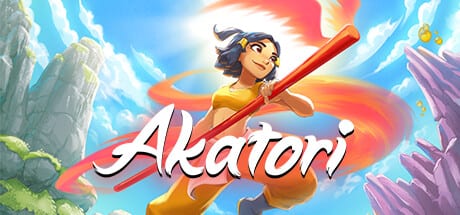
Kohakujō is the most misunderstood map in Akatori. Pre-release copy describes it as a rocky wasteland that once sheltered ancient gods; in moment-to-moment play it behaves like a central switchboard between Monk Forest, bamboo archipelagos, underwater passages, and the amber civilization arc. Players who treat Kohakujō like a third beginner forest burn healing items and miss shortcuts. Players who learn its rhythms cut travel time dramatically and uncover lore that pure combat guides skip.
This guide focuses on routing, hazard escalation, and where Kohakujō sits relative to other pages: start with Worlds & Realms for biome context, then Amber Regions when corruption quests send you outward from the hub.
Geography and atmosphere
Visual language in trailers and demo outro shots shows bleached stone, wind-carved arches, and distant realm portals framed like religious gates. Unlike Monk Forest’s greens or bamboo gold, Kohakujō reads as exhausted—sand-colored palettes, sparse vegetation, and amber crystal outcrops that feel invasive rather than native.
Level design favors long sightlines with intermittent choke points. You can often see the door you need before you can reach it, which teases metroidvania backtracking. Elevation changes are moderate compared to bamboo islands, but horizontal distances are longer, encouraging staff glides and slope slides to avoid tedium.
Audio and environmental storytelling reinforce that gods abandoned this place. Crumbled statues, sealed shrines, and bird motifs tied to Mako’s staff companion hint that Kohakujō was holy ground before the Amber Storms made transit necessary but dangerous.
Hub function — how realms plug in
Think of Kohakujō as three layers:
- Transit concourse — doors, trams, or ritual lifts to Monk Forest, bamboo islands, and underwater exits (exact labels may vary in final UI).
- Services ring — vendors, upgrade altars, or lore archives unlocked mid-game.
- Danger fringe — optional arenas, elite patrols, and sanity-pressure zones for players seeking achievements.
Story progression typically opens new concourse exits rather than replacing old ones. That means early shortcuts remain useful; do not assume a new realm makes previous doors obsolete. When a quest sends you to Amber Castle, you often depart from Kohakujō’s outer rim rather than trekking back through entire forests.
Cross-reference Release Dates if you are playing Chapter One first—prologue scope may expose only part of the hub until the full August 2026 PC release.
The “longer you stay” hazard
Official feature lists warn that Kohakujō affects Mako’s mind and body over time. Mechanically this likely manifests as stacking debuffs, hallucination encounters, or rising enemy tiers if you idle or farm too long in one session. Even before dataminers confirm exact numbers, play conservatively:
- Restock at safe nodes before extended exploration loops.
- Mark exit routes before chasing optional elites.
- Return to Monk Forest or bamboo camps to clear debuffs if UI icons appear.
Speedrunners and achievement hunters on Full Game Achievements will need routing that minimizes hub downtime—plan loadouts before entering Kohakujō rather than crafting mid-transit.
Combat and enemy mix
Hub areas rarely introduce brand-new enemy families; instead they remix elites from connected realms. Expect forest beasts near eastern gates, bamboo raiders on elevated walkways, and amber-touched scouts closer to corruption exits. This mixed table keeps combat fresh without teaching entirely new attack tells every room.
Staff combat here rewards horizontal spacing: wide arenas let you kite projectile throws and hook walls to reposition. Tight shrine interiors flip the script—short hooks and fist follow-ups beat flashy aerial chains. If controls feel sluggish, verify platform settings on Platforms & Release Info before blaming input lag.
Boss encounters tied to Kohakujō often test navigation under pressure—chasing targets through partially destructible corridors or surviving arena waves while platforms shift. Check the Guides Hub for boss-specific pages as they publish.
Shortcuts, secrets, and sequence breaks
Metroidvania hubs hide their best rewards in plain sight:
- One-way drops from bamboo towers that land in Kohakujō side caves.
- Underwater outflows that dump into hub cisterns after breath upgrades.
- Staff hook rings visible from concourse bridges but requiring glide range from bamboo training.
- Lore tablets explaining amber religion that foreshadow Amber Factory politics.
When you obtain a new staff ability, run Kohakujō’s outer loop clockwise—Contrast Games often places optional chests on the return path players skip when rushing to story markers.
Recommended routes by progression phase
Early game (fresh from Monk Forest): Enter Kohakujō only when narrative flags demand it. Transit straight to bamboo or underwater gates; ignore fringe elites unless hunting Chapter One Achievements.
Mid game (multiple realms unlocked): Use Kohakujō as a shopping and routing layer—compare gear, pick quest destinations, and test new hooks on previously seen arches.
Late game (amber arc active): Treat fringe zones as mandatory for story and optional for 100% completion. Corruption visuals intensify; enemy status effects stack with hub debuffs. Finish critical path in Amber Castle before grinding Factory side rooms unless guides note otherwise.
Kohakujō vs other “hub” tropes
Akatori is not an open-world menu hub like some action RPGs. Kohakujō remains side-view platforming with real combat risk. It also differs from safe towns in classic JRPGs—rest points exist, but ambushes and environmental pressure persist.
Narratively, Kohakujō mirrors Mako’s internal journey: a once-sacred place strained by external corruption. Our Akatori Review discusses thematic parallels without listing every cutscene trigger.
Single-player note
Akatori is a solo adventure; Kohakujō routing assumes one Mako on screen. No shared breath meters or party pathing apply—see our site facts file for multiplayer status across the wiki.
Keeping this guide current
Hub layouts are vulnerable to pre-release tuning. Steam Next Fest feedback in Steam Next Fest 2026 led to traversal tweaks elsewhere; Kohakujō may receive similar pacing patches before console launch on August 12, 2026. Watch the Updates Hub after major builds and revisit Maps Hub for sibling page updates.
Frequently Asked Questions
Quick answers to the most common questions.
What is Kohakujō in Akatori?
A parched rocky wasteland that once housed ancient gods and now connects other realms—Monk Forest, bamboo islands, underwater zones, and amber regions—through hub transit.
Is Kohakujō safe to idle in?
No. Official descriptions say the longer you stay, the more Kohakujō affects Mako's mind and body—expect escalating hazards or debuffs if you overstay.
When do I first reach Kohakujō?
After early forest tutorial content; exact timing depends on Chapter One versus full release, but story prompts open hub doors once bamboo or underwater realms are introduced.
How does Kohakujō connect to amber regions?
Late-game exits from the hub's outer rim route toward Amber Castle and related zones; see Amber Regions for Castle, Mines, Forest, and Factory specifics.
Should I explore Kohakujō before bamboo islands?
Follow narrative gates—forced sequence breaks early often lack required glide or breath upgrades and waste resources on hub debuffs.